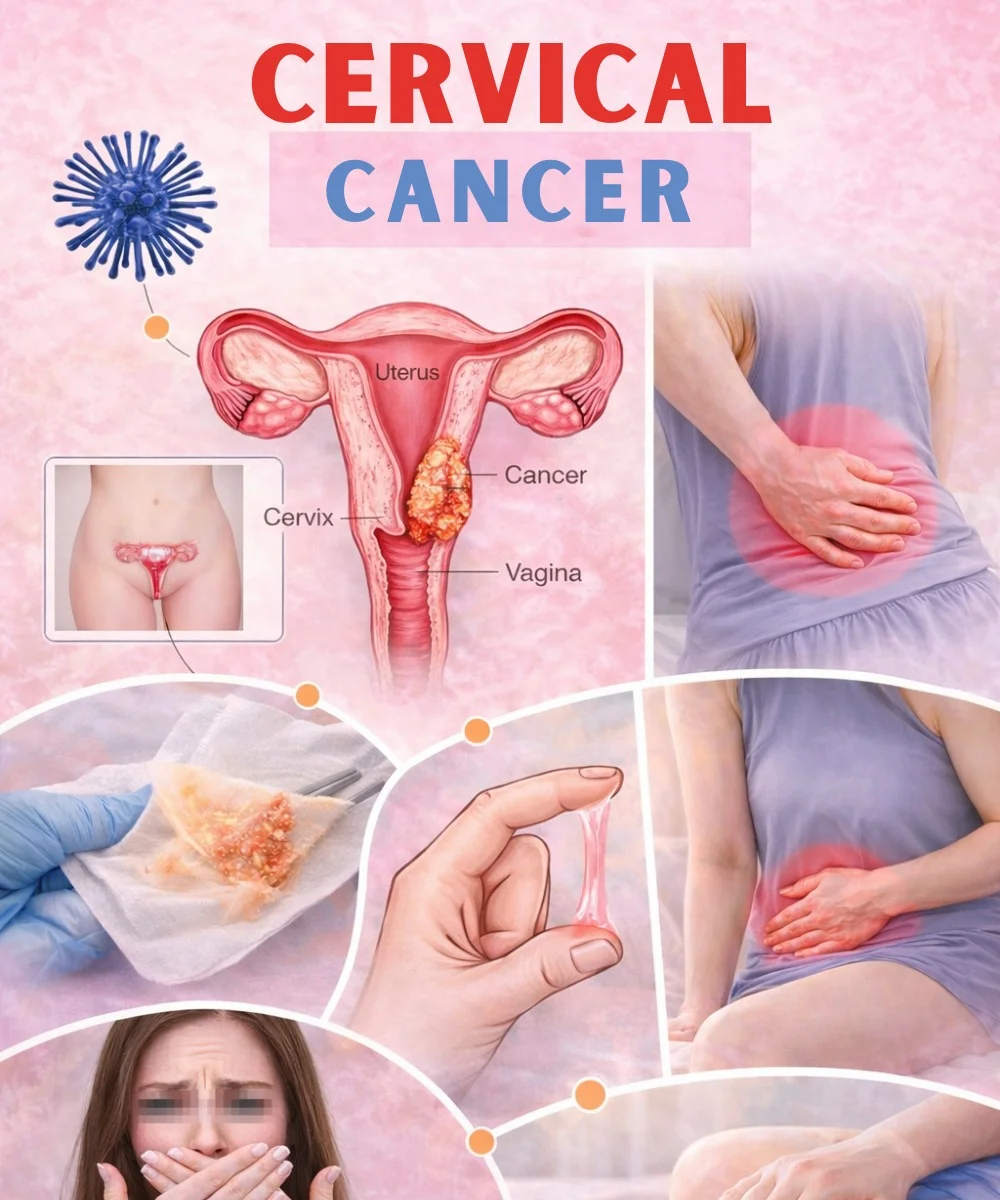
Many women quietly worry about changes in their body—like unexpected bleeding between periods, unusual discharge, or persistent pelvic discomfort that disrupts intimacy and daily routines. These shifts can spark anxiety, making you hesitate to speak up or seek help, especially when fears of something serious like cervical cancer creep in. You’re not alone in this—millions face similar concerns that affect confidence, relationships, and peace of mind. But here’s the good news: paying close attention to these signals and acting early can make all the difference. Keep reading to uncover the key facts that could empower you—and discover a simple shift in habits that many women wish they knew sooner.
What Is Cervical Cancer and How Does It Develop?
Cervical cancer begins in the cells lining the cervix, the narrow passage connecting the uterus to the vagina.
Nearly all cases stem from long-term infection with high-risk strains of human papillomavirus (HPV), a very common virus passed through sexual contact.
Research from the World Health Organization (WHO) confirms that persistent HPV causes about 99% of cervical cancers.
The virus can linger silently for years, slowly causing cell changes that may turn precancerous if unchecked.
But that’s not the full story… Most HPV infections clear on their own thanks to a healthy immune system.
Factors like smoking, a weakened immune system, or multiple sexual partners can increase risks.
The truth is, cervical cancer is highly preventable—and understanding its roots is the first step toward protection.
Key Signs and Symptoms of Cervical Cancer
Early cervical cancer often flies under the radar with no obvious symptoms. That’s why so many cases go unnoticed until later stages.
When signs do appear, they can mimic other common issues, leading to delays
If you’ve been brushing off persistent changes, know that early attention brings clarity and better outcomes.
Here’s what studies from the CDC and American Cancer Society highlight as potential warning signs:
- Abnormal vaginal bleeding: Spotting between periods, after sex, or even after menopause. This is one of the most common red flags as cancer advances.
- Unusual vaginal discharge: Watery, pink, bloody, or foul-smelling—changes that feel off and persistent.
- Pelvic pain or discomfort: Ongoing ache in the lower abdomen, hips, or back that doesn’t go away.
- Pain during intercourse: Discomfort or bleeding that strains intimacy and adds emotional worry.
