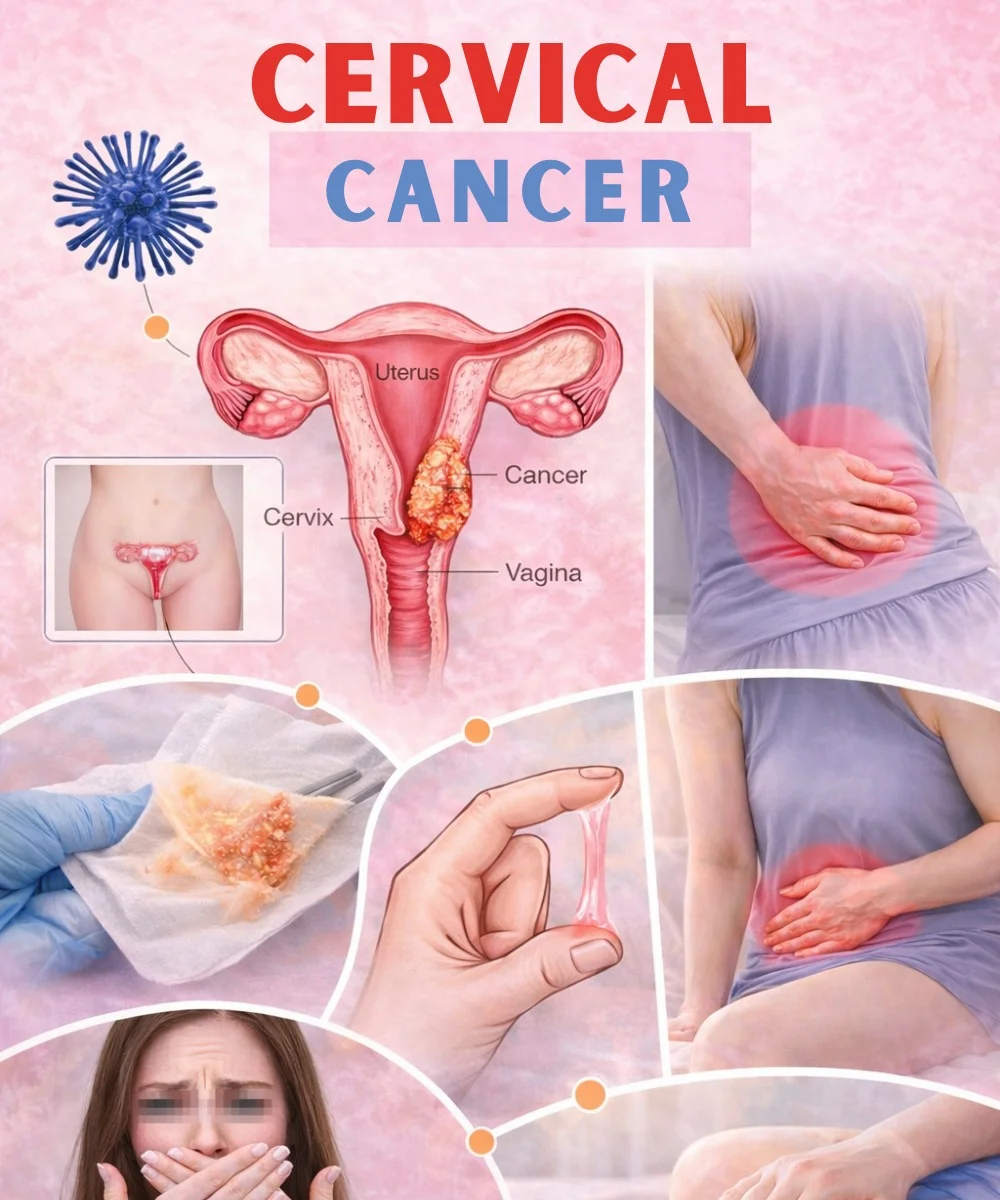
Other possible indicators include unexplained fatigue, leg swelling, or unintended weight loss.
These aren’t unique to cervical cancer—conditions like infections or fibroids can cause them too.
But ignoring them? That could mean missing a chance for early intervention.
Sự thật là… many women experience relief just by talking to a doctor.
| Potential Symptom | Why It Matters | Common Emotional Impact |
|---|---|---|
| Abnormal bleeding | Often the first noticeable sign | Disrupts daily life and sparks fear |
| Unusual discharge | Signals possible cell changes | Affects hygiene and self-confidence |
| Pelvic or lower back pain | May indicate progression | Limits movement and enjoyment |
| Pain during intercourse | Points to cervical irritation | Strains relationships and intimacy |
Why Early Detection Is Crucial for Cervical Health
Precancerous changes rarely cause symptoms, allowing quiet progression over time.
Regular screening catches these early—when they’re easiest to address.
According to the CDC, screening has slashed cervical cancer deaths by over 50% in recent decades.
If anxiety about symptoms has delayed your check-ups, you’re not alone.
But here’s the empowering part: the latest 2025 guidelines from the American Cancer Society make screening more accessible than ever.
They recommend starting at age 25 with primary HPV testing every 5 years up to age 65 (preferred method).
Clinician-collected samples are ideal, but self-collection options for HPV testing are now acceptable— a game-changer for convenience.
Alternatives include Pap tests every 3 years or co-testing.
Research shows these approaches detect issues early, often before symptoms start.
The most interesting thing? Consistent screening means many precancers never become cancer.
Practical Steps to Prevent Cervical Cancer
Prevention starts with smart, doable habits backed by science.
If concerns about signs have motivated you, these steps can reduce risks significantly.
- Get vaccinated against HPV: The vaccine protects against high-risk strains causing most cases. Ideally starting at ages 9-12, it’s recommended through age 26—and shared decision-making for ages 27-45 if not previously vaccinated (per CDC).
- Practice safer sex: Consistent condom use and fewer partners lower HPV transmission.
- Quit smoking: It impairs your body’s ability to fight HPV.
- Stay up-to-date on screenings: Follow guidelines tailored to your age and history.
Here’s a simple action plan you can start today:
- Schedule a chat with your doctor about your HPV vaccination status.
- Book your next screening if it’s due—ask about self-collection options.
- Track any persistent symptoms in a journal to discuss openly.
- Explore quit-smoking resources if needed (like apps or support lines).
These habits not only target cervical health but boost overall well-being.
And remember… vaccination plus screening is the powerful duo driving down rates.
Take Control of Your Cervical Health Today
Recognizing potential signs of cervical cancer doesn’t have to mean fear—it means empowerment.
With nearly all cases linked to preventable HPV, early detection through screening and vaccination offers real hope.
Many women who’ve acted early share stories of relief and positive outcomes.
Talk to your healthcare provider about any worries, get screened regularly, and consider vaccination if eligible.
Your body deserves this attention—and the peace of mind that follows is priceless.
