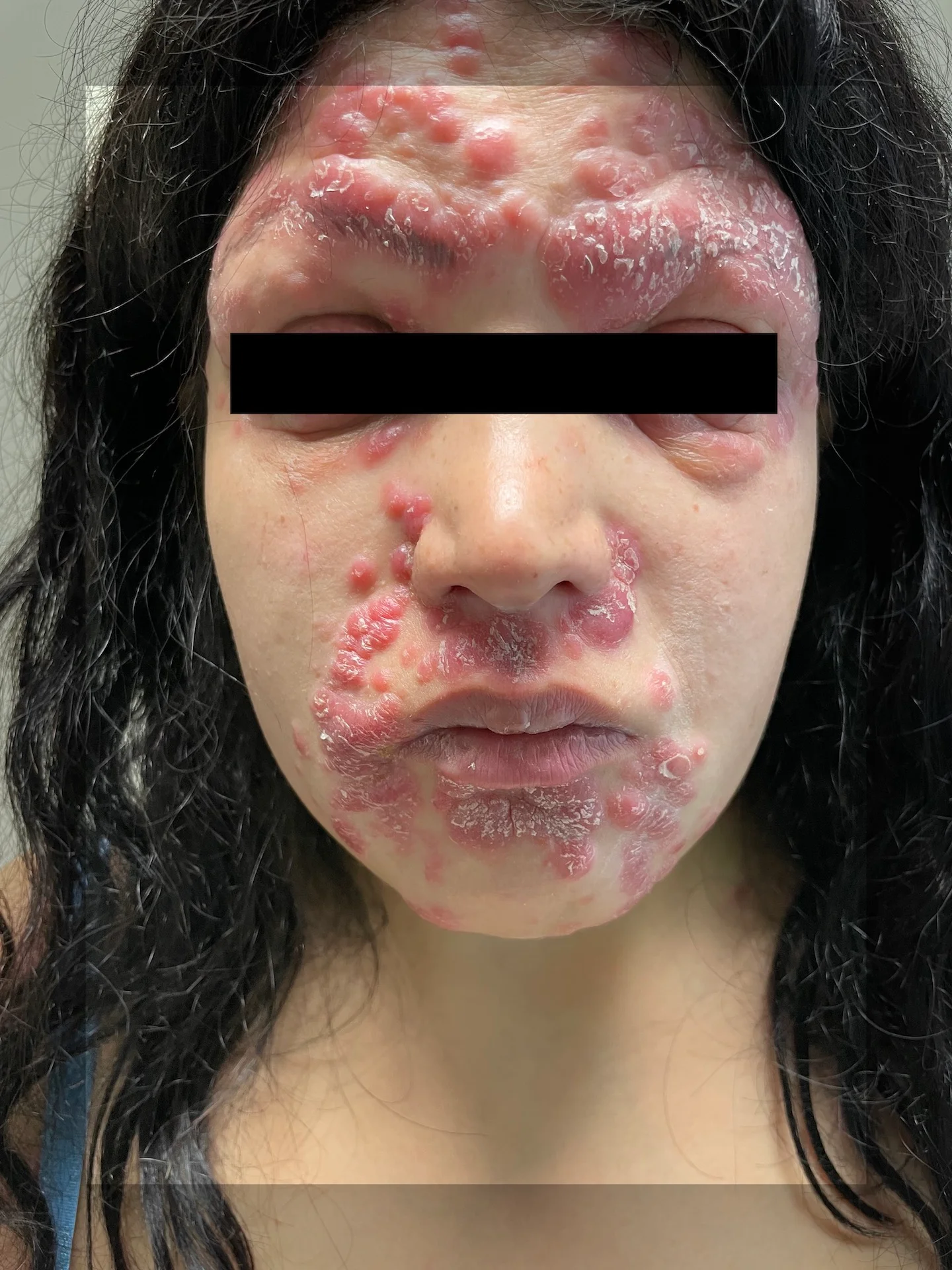
Pathophysiology
The exact mechanism behind malignant syphilis in immunocompetent individuals remains unclear. It is believed to involve a hypersensitivity reaction to T. pallidum, resulting in severe tissue damage. High bacterial load and delayed immune regulation may also contribute.
Treatment and response
Despite its alarming presentation, malignant syphilis responds well to standard syphilis therapy. Intramuscular benzathine penicillin G remains the treatment of choice. Patients often experience a rapid clinical improvement after therapy, although a Jarisch–Herxheimer reaction is common and may be severe.
Lesions gradually heal over weeks, often leaving residual scarring or hyperpigmentation. Follow-up serologic testing typically shows a significant decline in non-treponemal titers.
Clinical significance
This rare presentation highlights the importance of considering syphilis in the differential diagnosis of necrotic skin ulcers, even in patients without immunosuppression. Early recognition prevents unnecessary investigations, inappropriate treatments, and long-term complications.
Malignant syphilis, though uncommon, remains a reminder of why syphilis continues to be known as “the great imitator” — capable of surprising clinicians even in modern medical practice.
